




Bradycardia
Bradycardia may cause a heart rate below 60 beats per minute. Its main feature is a slow heart rate, and some people may experience symptoms.
Common symptoms of bradycardia may include: • fatigue and weakness
• fainting or dizziness
• confusion
• shortness of breath
• shortness of breath during exercise
When bradycardia is caused by a serious medical condition and treatment is not sought, more severe symptoms may develop.
SCHEDULE AN
APPOINTMENT

Tachycardias (arrhythmias)
It is a disorder of the heart rate (pulse) or heart rhythm.
The heart may beat too fast (tachycardia), too slowly (bradycardia), or irregularly.
The most common symptom is palpitations. In other words, an uncomfortable awareness of the heartbeat may indicate an arrhythmia.
Severe arrhythmias can cause loss of consciousness and, in the most serious cases, sudden cardiac death.
However, an arrhythmia may also occur without any noticeable symptoms.
SCHEDULE AN
APPOINTMENT

Syncope and dysautonomia
Syncope is a temporary loss of consciousness and postural tone caused by reduced blood flow to the brain. It typically begins suddenly, lasts a short time, and is followed by complete spontaneous recovery.
It occurs in approximately 15–25% of children and adolescents and is more common in females.
All children with syncope require evaluation to rule out cardiac or non-cardiac conditions that could be life-threatening.
Dysautonomia is a disorder related to dysfunction or immaturity of the autonomic nervous system.
SCHEDULE AN
APPOINTMENT

Heart murmur
Heart murmurs are sounds, such as whooshing or swishing noises, produced by turbulent blood flow within or near the heart.
Heart murmurs may be present at birth (congenital) or develop later in life.
Heart murmurs may be harmless (innocent) or abnormal. An innocent heart murmur is not a sign of heart disease and does not require treatment.
Abnormal heart murmurs require follow-up testing to determine the cause.
Most heart murmurs are not serious, but if you believe you or your child may have a heart murmur, schedule an evaluation with a cardiologist.
SCHEDULE AN
APPOINTMENT

Supraventricular tachycardias
It is a disorder of the heart rate (pulse) or heart rhythm. The heart may beat too fast (tachycardia), too slowly (bradycardia), or irregularly.
The most common symptom is palpitations. An uncomfortable awareness of the heartbeat may indicate an arrhythmia. Severe arrhythmias can cause loss of consciousness and, in the most serious cases, sudden cardiac death.
However, an arrhythmia may also occur without any noticeable symptoms.
SCHEDULE AN
APPOINTMENT
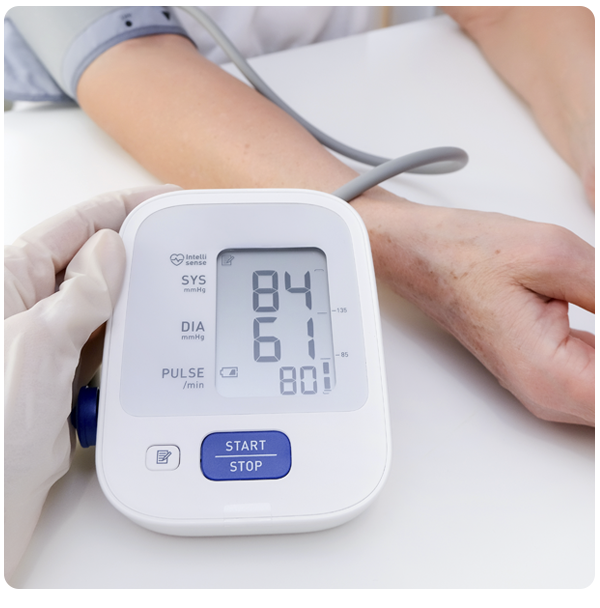
High blood pressure
High blood pressure, or hypertension, is a condition in which increased resistance in the arteries makes it harder for blood to circulate through the body.
Patients may have it for many years without symptoms and may develop cardiac or vascular complications such as: heart attack, heart failure, cerebrovascular disease, among others.
How is a cardiac arrhythmia diagnosed?
The following tests may be performed:
Electrocardiogram (ECG), Holter monitor, insertable cardiac monitoring system, echocardiogram, angiography, and electrophysiology study (EPS)


