



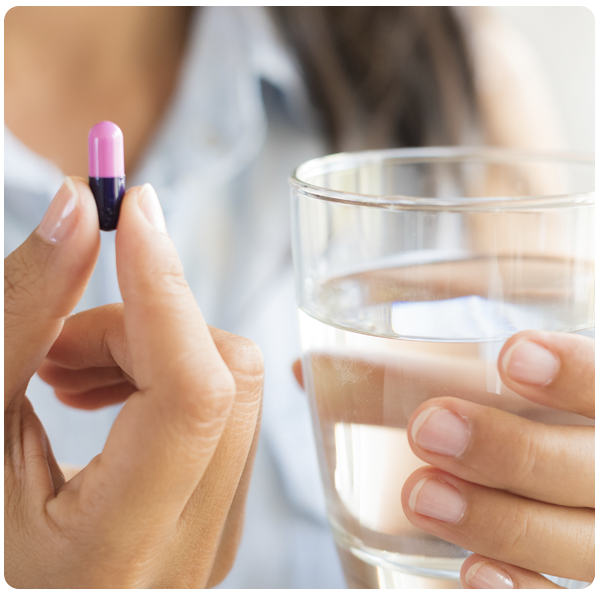
Arrhythmia treatment
There are several treatments for arrhythmias, and the appropriate option varies depending on the type of arrhythmia the patient has.
Among the most serious complications of arrhythmias are stroke, heart failure, and even sudden cardiac death.
Because these complications can be serious, timely evaluation by a specialist is recommended.
SCHEDULE AN
APPOINTMENT
Pacemaker implantation
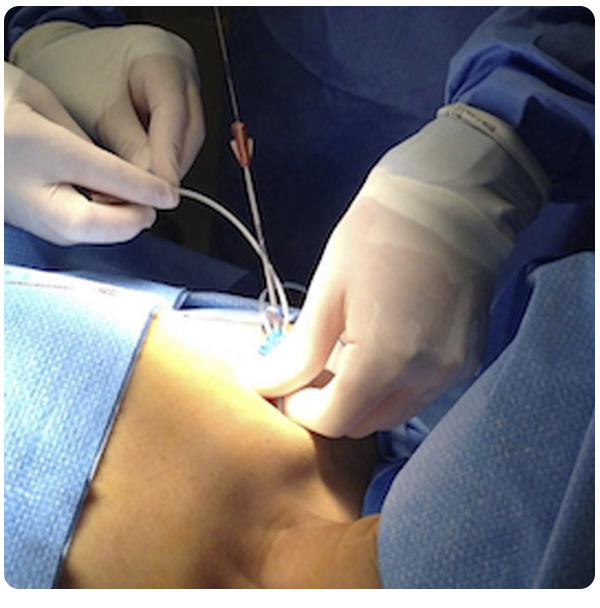
A pacemaker is a device that detects whether the heart is generating its own electrical impulse and, when necessary, can generate impulses to maintain an appropriate heart rate.
How is it implanted?
It is usually placed under the skin below the collarbone through a procedure that generally does not require general anesthesia. The leads are passed through a vein into the chambers of the heart.
Most patients admitted for pacemaker implantation can return home within 24 hours of the procedure and resume normal activities a few days later.
SCHEDULE AN
APPOINTMENT
Tachycardia ablation
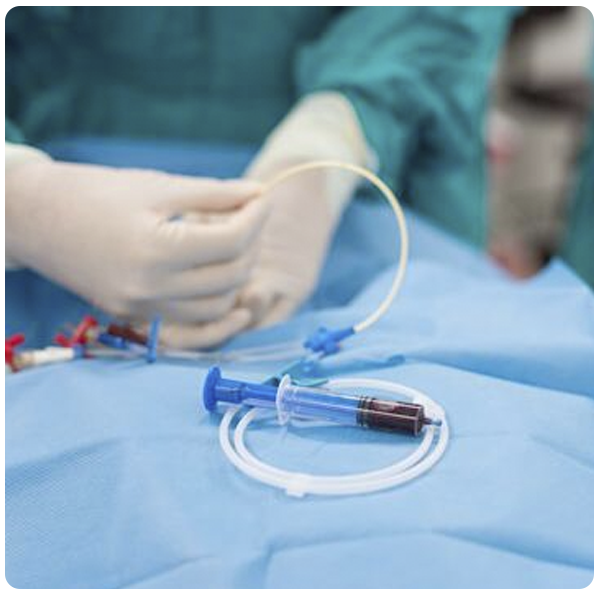
Radiofrequency ablation is a treatment for different types of tachycardia (abnormally fast heart rhythms).
This technique identifies the area of the heart causing the tachycardia and treats it to eliminate the abnormal rhythm source.
Radiofrequency ablation may be indicated for:
Patients with high-risk arrhythmias associated with Wolff-Parkinson-White syndrome, as well as patients with recurrent arrhythmia episodes or multiple hospitalizations.
Patients who do not tolerate arrhythmia episodes or medication side effects, and patients whose arrhythmias are not controlled with medication.
It may also be indicated for asymptomatic individuals in safety-sensitive occupations, such as pilots or construction workers.
SCHEDULE AN
APPOINTMENT
Holter monitoring
12 leads
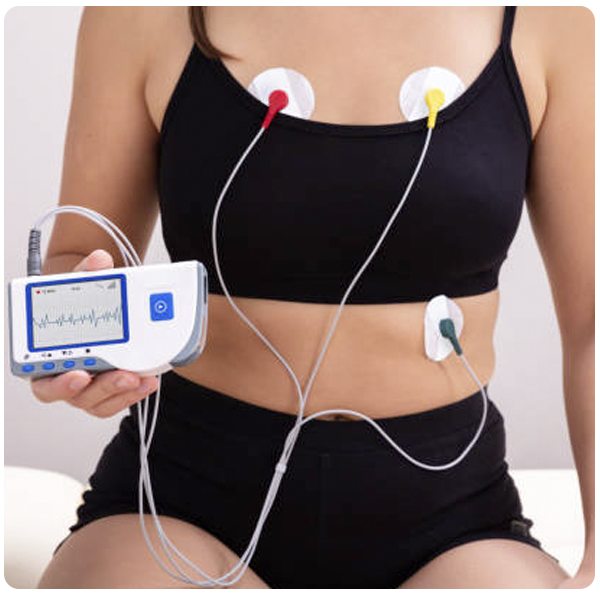
A Holter monitor continuously records the heart’s electrical activity while the patient goes about daily activities. Recordings may last 24, 48, or 72 hours and may use 3, 6, or 12 channels.
Electrodes are placed on the chest and connected to a small recording monitor.
It is commonly used in patients with suspected cardiac arrhythmias, palpitations, or syncope.
During Holter monitoring, the patient should continue normal daily activities without restriction. The patient receives a log with the recording start time and should note any symptoms or events experienced (palpitations, irregular heartbeats, dizziness, chest pain, etc.).
SCHEDULE AN
APPOINTMENT
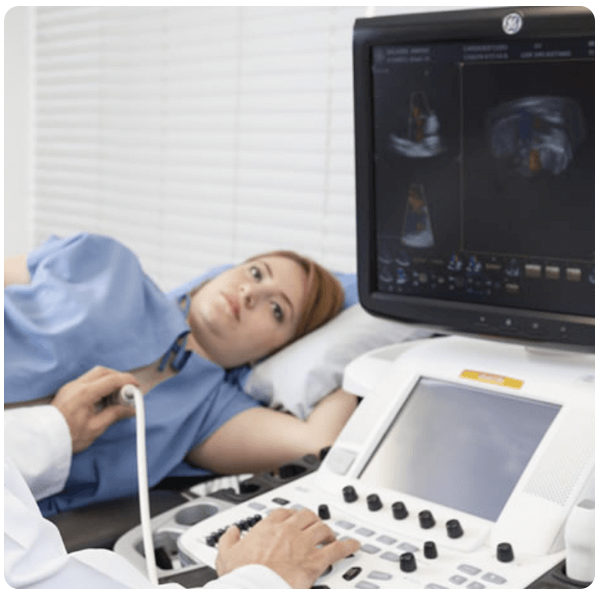
Transthoracic echocardiogram
One of the tests performed by cardiologists is a transthoracic echocardiogram.
It is a noninvasive ultrasound imaging test that helps evaluate the size of the heart, the thickness of its walls, overall function, and the appearance and function of the heart valves.
We assess the size of the heart, the thickness of its walls, its overall function, and valve function.
SCHEDULE AN
APPOINTMENT
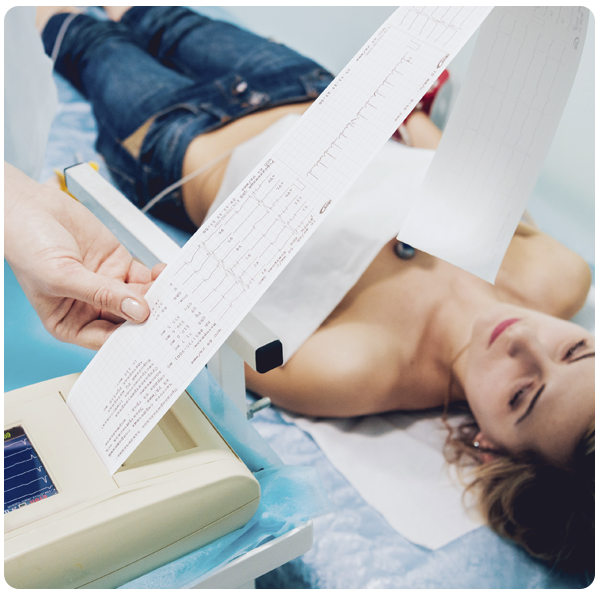
Electrocardiogram
It records the electrical activity of the heart and is one of the main diagnostic tools used in cardiology.
An electrocardiogram may be recommended if symptoms such as the following occur:
• Palpitations
• Chest pain
• Shortness of breath
• Feeling of breathlessness
• Swelling in the legs
SCHEDULE AN
APPOINTMENT
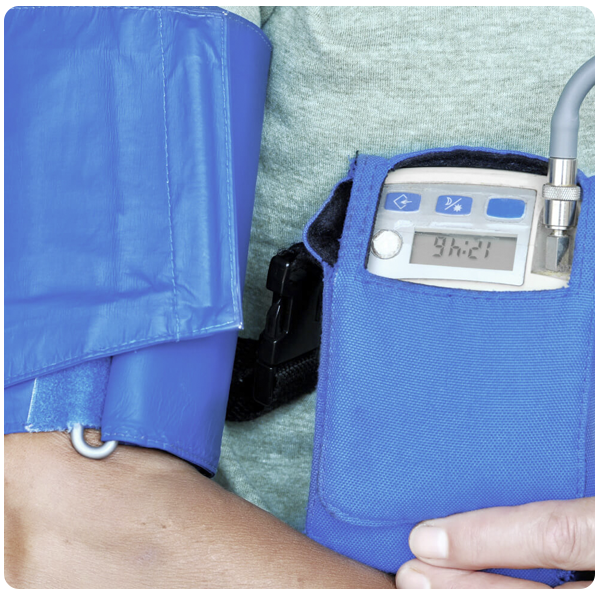
Ambulatory blood pressure monitoring
24 hours
This test measures blood pressure over a 24-hour period while the patient continues normal daily activities.
It is used to accurately diagnose high blood pressure or evaluate whether treatment is working appropriately. The patient wears the device for 24 hours while blood pressure readings are recorded.
It is indicated when:
There are discrepancies between blood pressure measurements, blood pressure remains uncontrolled, or it is necessary to determine the best time to adjust treatment.
SCHEDULE AN
APPOINTMENT
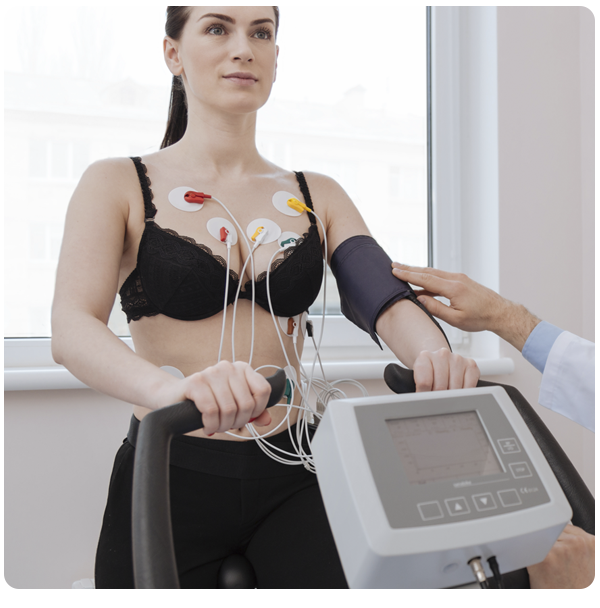
Exercise stress test
An exercise stress test, also known as ergometry, evaluates physical endurance through exercise and helps assess a suspected or previously diagnosed heart condition.
This evaluation can help rule out conditions that may make sports participation unsafe, allowing exercise to be performed more safely and helping reduce the risk of injury from inappropriate activity.
SCHEDULE AN
APPOINTMENT
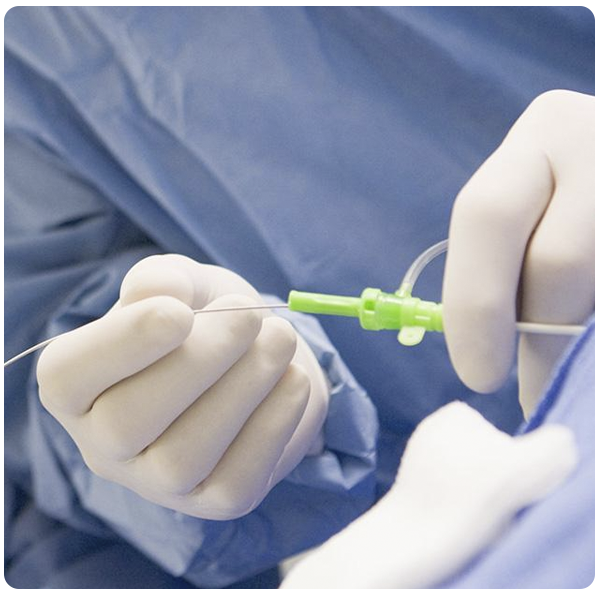
Electrophysiology study
This study evaluates the electrical activity of the heart.
The study uses electrode catheters (special plastic-coated wires) that are inserted, after local anesthesia, through veins in the legs or neck and guided to the heart using X-ray imaging.
Once in position, the catheters are connected to a specialized computer that continuously records the heart’s electrical activity.


